April 29, 2026 • Callum Voss • 8 min reading time • Specs verified June 5, 2026
Ultrasonic Cleaner Baskets and Accessories: Tank Sizing Realism and What Actually Fits Your Parts
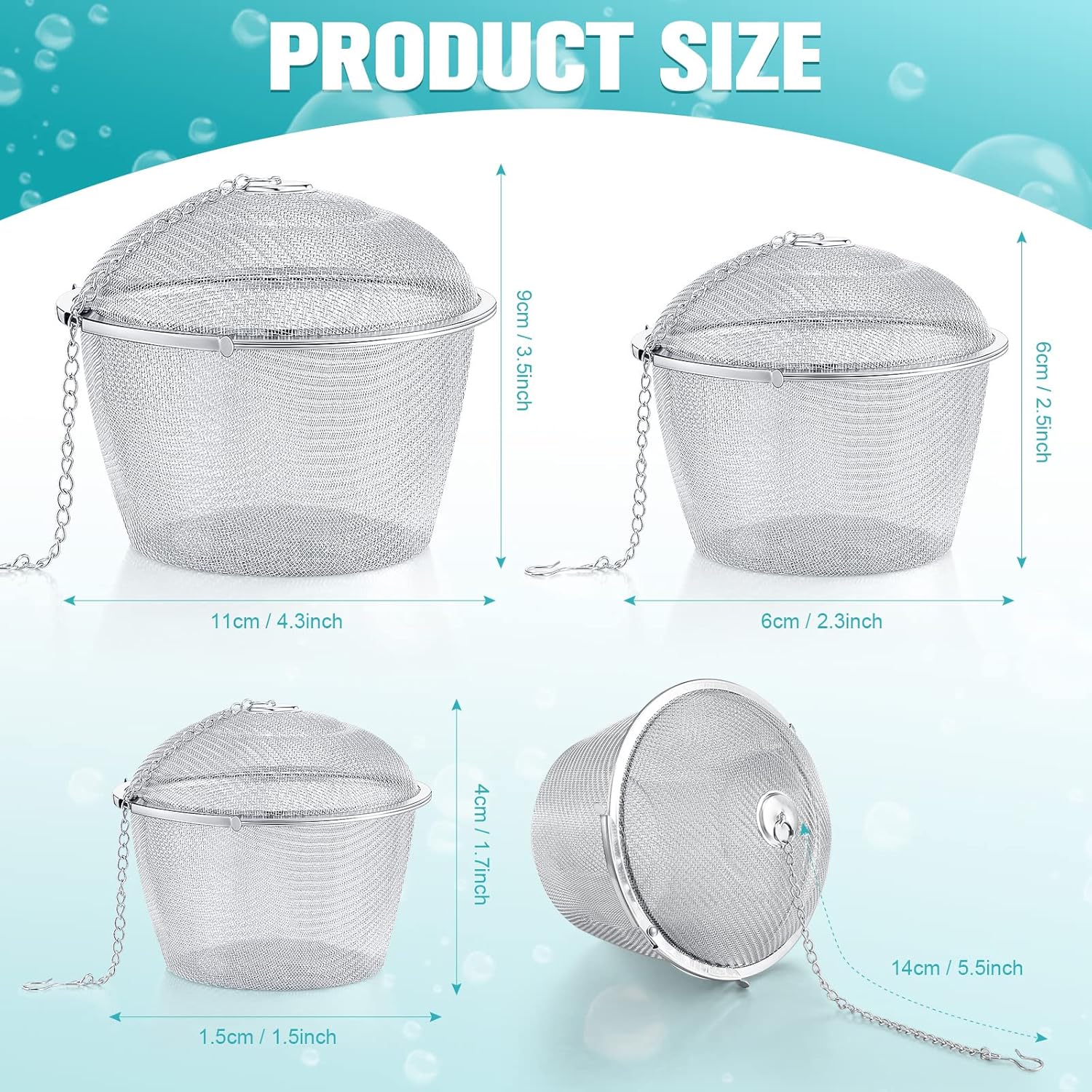
If you’ve ever ordered an ultrasonic cleaner — a machine that uses high-frequency sound waves vibrating through liquid to scrub parts clean — based on the listed tank volume and then discovered your parts barely fit, you’ve met the most common and expensive mistake in this category. The number on the product page (say, “3 liters”) describes the total interior volume of the tank, but that’s not the same as the working space available for the thing you actually need to clean. Before you can put a part in, you need to fill the tank to a minimum fluid level, drop in a mesh basket (which takes up height), and leave clearance so the sonic energy can reach the surface of your part from all sides. By the time you account for all of that, a nominally “3-liter” tank may leave you with a usable cleaning envelope that’s meaningfully smaller than you expected. This guide is about closing that gap — understanding how baskets, accessories, and fluid physics interact with tank specs, so your next purchase decision is grounded in what actually fits.
| EDITOR'S PICK6 Pcs Ultrasonic Cleaner Baskets | Mid-tier[Honeydak 3 Jewelry Cleaner Bask…](https://www.amazon.com/dp/B09T9B52TV?tag=greenflower20-20) | Budget pickUltrasonic Cleaner Basket | |
|---|---|---|---|
| Pieces per pack | 6 | 3 | 2 |
| Sizes included | 6 Sizes | 1.7, 2.5, 4.3 Inch | — |
| With lock | ✓ | ✓ | — |
| With hook | ✓ | ✓ | — |
| Intended use | Jewelry, Watch Parts | Jewelry, Small Parts | Jewelry, Watch Parts, Small Parts |
| Price | $18.99 | $12.99 | $6.99 |
| See on Amazon → | See on Amazon → | See on Amazon → |
Why Advertised Tank Volume Is the Wrong Number to Shop By
Manufacturers measure tank volume from the interior walls, corner to corner, rim to base. That’s the largest number they can honestly print. But three things immediately eat into it:
Minimum fluid level. Ultrasonic transducers — the piezoelectric elements bonded to the bottom of the tank that generate the cavitation (microscopic bubble collapse that does the cleaning) — require adequate fluid coverage to function and to avoid overheating. Branson’s BRANSONIC desktop series user manual states a minimum fill of roughly two-thirds of the tank’s rated volume before the unit should be operated. Run it drier and you risk transducer damage; you also create a “dead zone” at the top of the fluid column where cavitation energy is inconsistent.
Basket insertion depth. Standard mesh baskets for desktop units typically hang from a rim bracket and extend downward 50–75% of the tank’s interior height. The basket itself occupies space and suspends parts above the tank floor by 10–25 mm — intentional, because direct contact with the vibrating tank bottom creates “hot spots” that can pit or etch sensitive surfaces. But that gap at the bottom is filled with fluid your part never sees.
Lateral clearance. Cavitation energy reflects off tank walls, and parts placed too close to the wall receive uneven exposure. The rule of thumb widely cited in Crest Ultrasonics’ CP Series configuration documentation is to leave at least 10–15 mm of clearance between the part (or basket edge) and any tank wall. For a tank with a 150 mm interior width, that can cost you 20–30 mm of usable lateral space before you’ve put anything in.
Do the math and it’s not uncommon to lose 30–40% of nominal volume before your part is actually sitting in an effective cleaning zone.
By the Numbers: A Realistic Sizing Example
| Nominal Tank (liters) | Typical Interior Dimensions | Usable Cleaning Envelope (approx.) |
|---|---|---|
| 0.75 L | 140 × 75 × 75 mm | ~90 × 55 × 35 mm |
| 3.0 L | 240 × 135 × 100 mm | ~165 × 105 × 55 mm |
| 6.0 L | 300 × 155 × 150 mm | ~220 × 125 × 90 mm |
| 10.0 L | 330 × 200 × 175 mm | ~250 × 160 × 120 mm |
Usable envelope accounts for: standard basket depth, 15 mm wall clearance on each lateral side, and minimum fluid level at two-thirds tank volume. Dimensions are representative; confirm against manufacturer spec sheets before purchase.
The takeaway is not that tank labels are misleading — it’s that you need your part’s three-dimensional envelope in hand before you evaluate any unit. Measure the longest diagonal of your part, not just its longest axis. An object doesn’t have to fit through a basket opening to fail; it can be too long to sit below the fluid surface line.
Baskets: Standard Options, Material Tradeoffs, and When to Go Custom
The basket is the single most underspecified accessory in the category. Most desktop units ship with one generic stainless-steel mesh basket. That works for a majority of jewelry and small parts cleaning, but it’s a constraint dressed up as a solution.
Stainless mesh (standard). 316-grade stainless is the baseline. Resistant to most aqueous cleaning solutions and dilute acids. The mesh aperture — typically 2–5 mm — determines whether small items (watch crown stems, tiny fasteners) fall through or stay put. If your parts are small, check the mesh opening spec before assuming the included basket is adequate. Elma’s xtra ST documentation lists optional fine-mesh inserts for exactly this reason.
Plastic-coated or nylon baskets. Used when parts are soft metals — gold, silver, aluminum — or when the cleaning solution is aggressive enough that prolonged stainless contact is a concern. Owners running aluminum engine parts with caustic degreasers consistently report that uncoated stainless baskets show corrosion within months; nylon-coated frames hold up significantly longer in those conditions. The tradeoff is that plastic absorbs and can retain solution chemistry, complicating rinse-down when you switch between solutions.
Beaker and glass vessel inserts. For mixed-metal loads — where, say, a steel part and a silver component can’t share the same solution without galvanic risk — glass beaker inserts let you run two chemistries simultaneously in one tank. The outer tank holds water as a coupling fluid; the beaker holds the targeted solution. Cole-Parmer’s application notes for industrial users call this “indirect sonication” and note that it reduces cavitation intensity by roughly 20–30% compared to direct immersion, which is worth accounting for if you’re running a borderline frequency-to-application match.
Divided basket trays. Common in dental lab and jewelry production contexts where batches of similar-but-not-identical parts need to stay separated. Crest CP series accessories catalog includes polypropylene divider trays that drop into the standard basket frame. If you’re processing multiple client pieces in one run — as most production jewelers and watchmakers eventually do — this is a time-saver and a liability management tool, not an optional upgrade.
Custom fabrication. For parts that don’t fit standard baskets — long rifle barrels, oversized PCB panels, dental impression trays — custom laser-cut stainless or titanium baskets are available from industrial suppliers. The lead time and cost are real (typically $80–$300 for a one-off), but they’re often still cheaper than upsizing the tank itself. If you’re at this decision point, price both before committing.
Accessories That Change Your Cleaning Outcome, Not Just Your Setup
Beyond baskets, there’s a short list of accessories where the spec-level difference between having and not having them is measurable.
Lids and covers. Ultrasonic cleaning at temperature creates vapor and mist, both of which carry your cleaning chemistry. A lid reduces solution loss, reduces evaporation of heated solutions (which concentrates chemistry over a run, changing pH), and reduces inhalation exposure. Branson’s BRANSONIC line sells lids separately for most models — an omission that reviewers across professional forums consistently flag as frustrating at the price point. If your unit didn’t come with one and you’re running heated solution, budget $20–$45 for a fitted cover.
Drainage fittings. Mid-tier and pro units from Crest and Elma typically include a drain valve; many iSonic and entry Branson desktop units do not. Dumping a full tank manually with a warm caustic or enzyme solution is an ergonomic and safety issue, not just an inconvenience. Aftermarket drain fittings can be installed by a plumber or technically capable operator, but check tank material compatibility — stainless tanks handle retrofit taps cleanly; some lower-cost polypropylene tanks don’t.
Ultrasonic thermometers and solution monitors. This is underused at the practitioner level. The frequency and temperature at the part surface aren’t always what the control panel says, especially in older units or units running near maximum load. An inexpensive ultrasonic cavitation meter — or even a simple infrared thermometer aimed at the fluid surface — catches drift before it affects your batch quality. IPC-7711/7721, the electronics assembly rework standard, explicitly ties PCB cleaning validation to solution temperature verification, not just control-panel setpoints.
The Decision Rule: If X, Then Y
If your part’s longest diagonal exceeds 70% of the tank’s stated interior length, move up one tank size — you’ll breach usable clearance on a typical basket setup.
If you’re running more than one cleaning chemistry (common in watch repair or mixed-metal jewelry work), plan for beaker inserts or a second dedicated tank rather than sequential use with a single tank. Cross-contamination between enzyme solution and ultrasonic jewelry cleaner is a real batch-quality risk, and rinse cycles don’t fully eliminate it.
If your parts are fragile-plated or soft metal (gold fill, silver, anodized aluminum), specify a coated or nylon basket before ordering — don’t assume the included stainless mesh is appropriate. The Elma xtra ST documentation specifically flags uncoated mesh contact as a potential surface risk on soft platings under extended cycles.
If you’re sourcing a unit in the $600–$2,000 range and the manufacturer doesn’t list basket interior dimensions and minimum fluid level in their published specs, treat that as a red flag and contact their technical sales desk directly before committing. Any reputable manufacturer in this segment — Branson, Crest, Elma — will provide this on request. If they can’t or won’t, that tells you something about the depth of their application support.
And if you’re evaluating used or refurbished units (a legitimate path for pro-tier Crest or Branson equipment, where original purchase prices can be $1,500–$3,000+), physically measure the interior tank dimensions yourself before assuming the basket accessories that come with the unit match your application. Tanks get swapped, baskets get lost, and a $900 deal on a 10L Crest CP unit is less of a deal if you spend $200 retrofitting accessories that should have been included.
Tank sizing realism isn’t a secondary consideration — it’s the first question, and the one most buyers answer last.